
Integrated Annual Report / 2025
Aksa Enerji
Aksa Enerji’s first integrated annual report charts its path toward global energy leadership
Integrated Annual Reports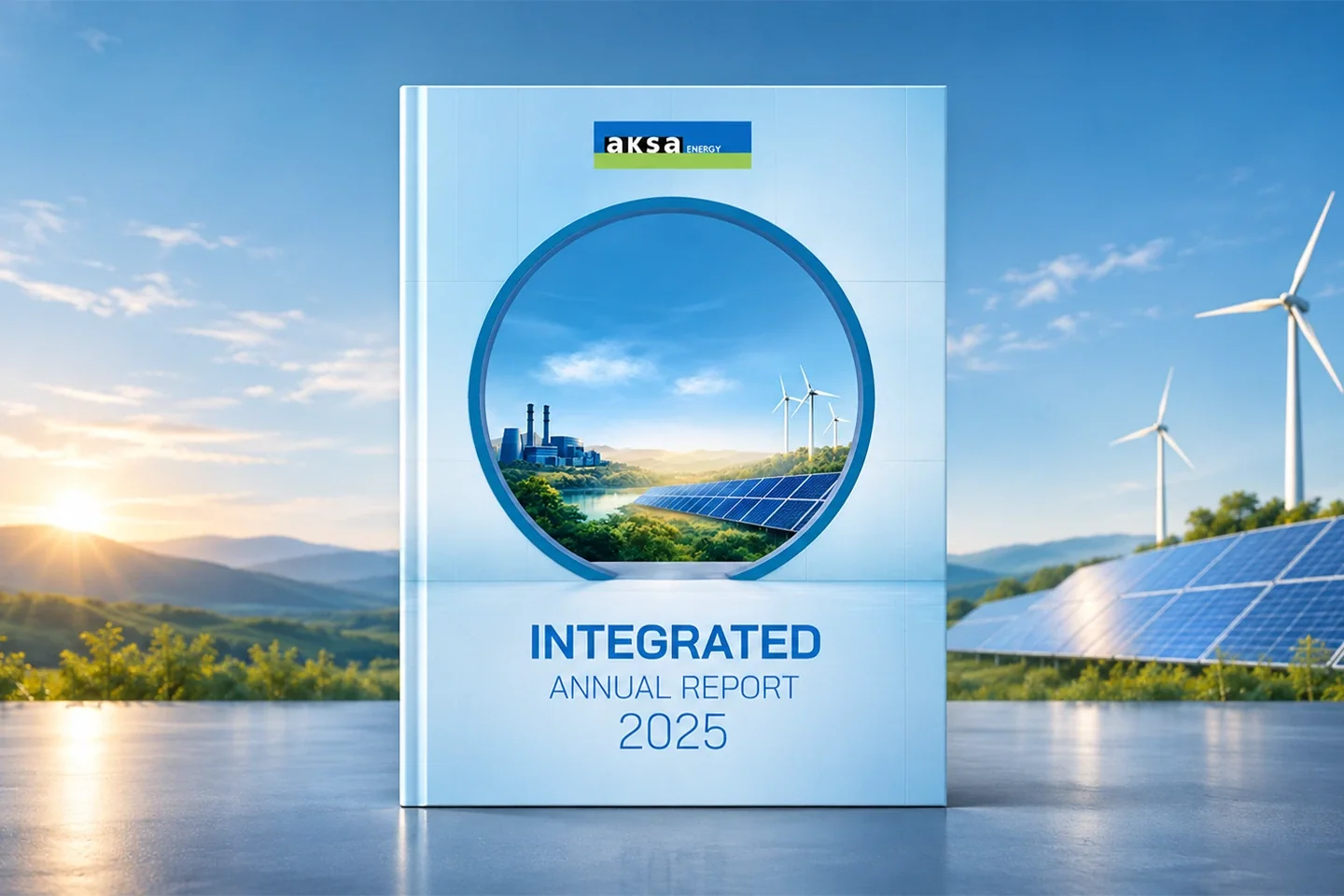
01
Challenge
Aksa Enerji ended 2025 with 11 power plants in seven countries and 3,124 MW of installed capacity. The report described its value chain as business-to-government, extending to public institutions and energy ministries, with revenue underpinned by long-term guaranteed power sales agreements. New investments expanded that structure in 2025. The 430 MW Talimercan plant in Uzbekistan entered full operation, bringing the company’s installed capacity in the country to 1,220 MW. Long-term guaranteed agreements were signed for three new investments totaling 264 MW in Burkina Faso and Gabon. In Türkiye, a 941 MW renewable energy investment program with storage continued across 14 projects. Previously, the company had disclosed financial performance in annual reports and sustainability work in separate publications. Its first Integrated Annual Report brought those perspectives together, connecting growth across continents, fuels, and contracts with financial returns and environmental, social, and governance performance.
02
Approach
The narrative followed the company’s 2030 Global Strategy and its ‘Sustainable High Growth’ approach. An ‘Enerjide Global Güç’ overview page presented the seven-country portfolio at a glance. We mapped the B2G value chain from fuel and equipment suppliers to power plants, then through guaranteed sales agreements and grid services to public institutions. The Value Creation Model linked the six capitals through nine operations to outputs, value created, and contributions to the Sustainable Development Goals. Separate sections covered domestic, international, and under-construction plants. Twenty-one sustainability topics were assessed for their importance to stakeholders and the company, grouped as strategic (critical), to be monitored, or lower priority, and connected to the SDGs. The report was prepared in accordance with the GRI Standards, with alignment to TSRS 2 considered in climate-related disclosures.
03
Outcome
The integrated structure brought Aksa Enerji’s 2030 Global Strategy together across financial resilience, operational efficiency, and sustainability. EBITDA increased from TRY 9.9 billion to TRY 13.5 billion, with international plants contributing 73%. While investment continued, the net financial debt-to-EBITDA ratio declined from 3.59 to 3.54. Agreements of USD 150 million with Africa Finance Corporation and USD 80 million with TSKB supported investment financing. On operational efficiency, the company launched Project Nexus to connect plants in seven countries through a common SAP S/4HANA-based digital infrastructure. Sustainability priorities were linked to measurable targets, including reducing Scope 1 emissions intensity from 0.54 metric tons of CO₂/MWh in 2025 to 0.53 in 2030 and 0.50 in 2040, and cutting fossil-fuel-based internal electricity consumption at domestic plants by 20% by 2030. The share of women on the Board increased from 25% to 33%. The company describes the report as the first step in its integrated reporting journey, with future projections addressed under the same strategic headings.
Explore the related service
Integrated Annual ReportMore projects
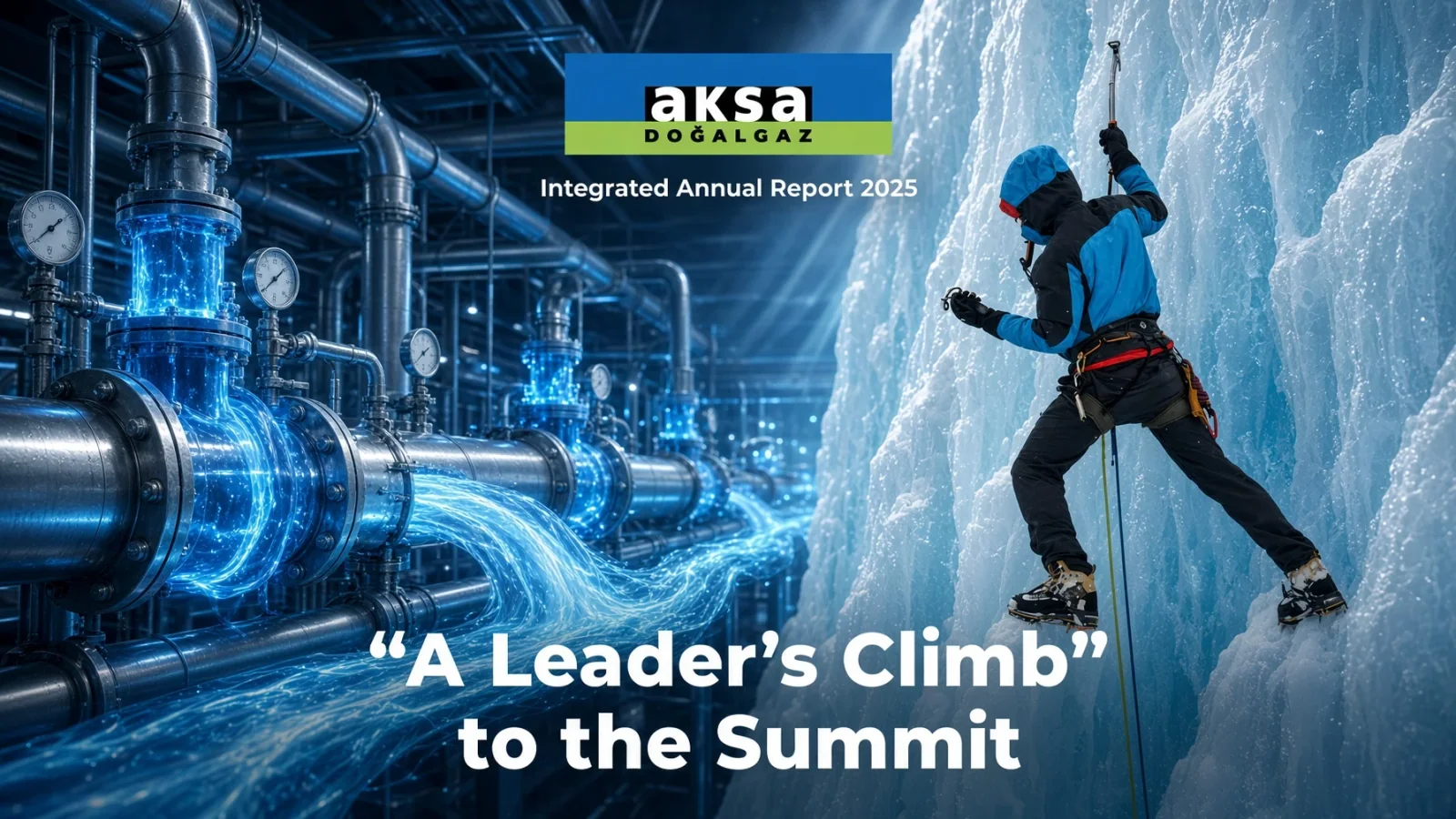
Aksa Doğalgaz
Aksa Doğalgaz’s first integrated annual report, built around a climb to the summit
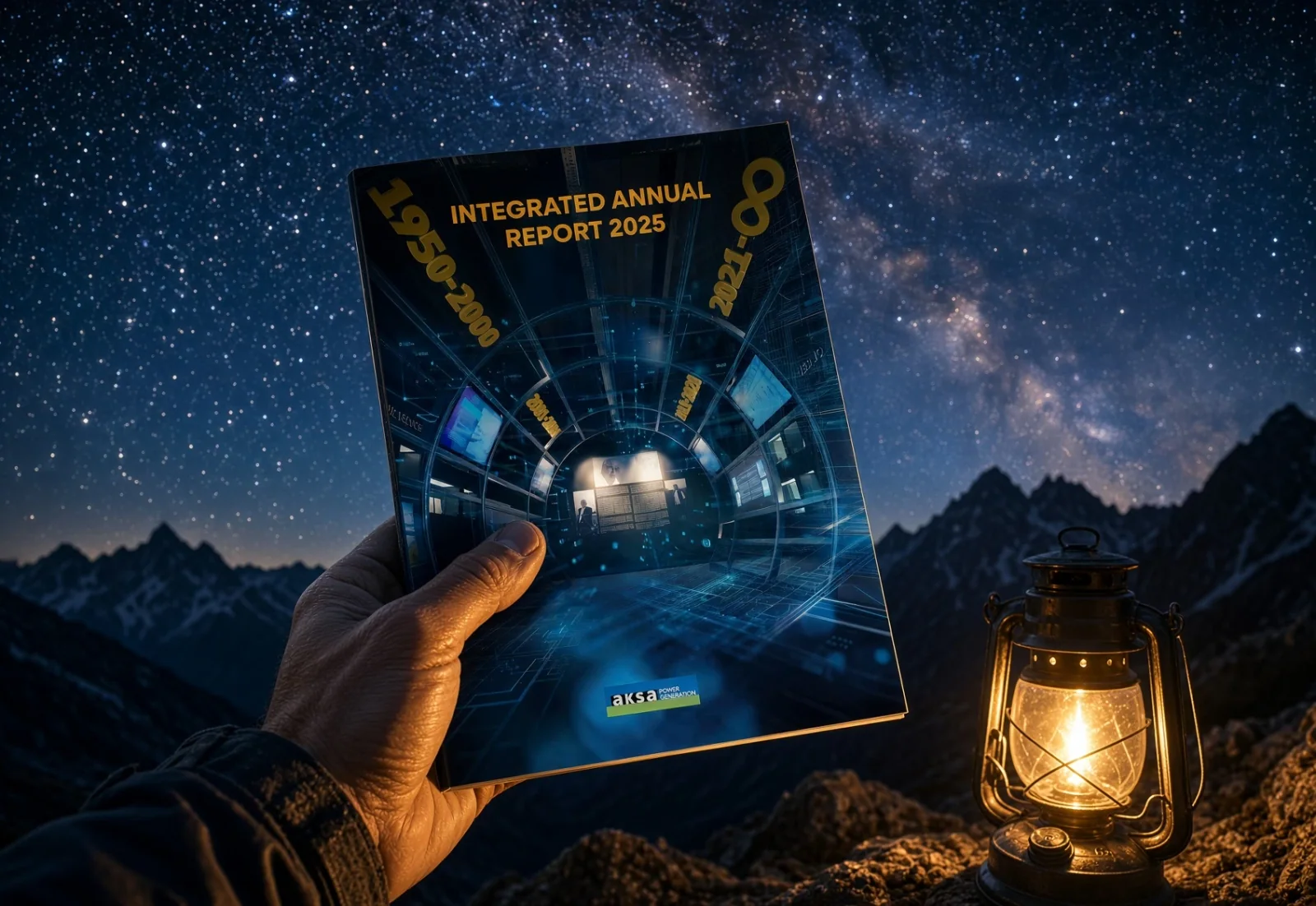
Aksa Jeneratör
Continuous transformation for uninterrupted lives: Aksa Jeneratör’s first integrated annual report
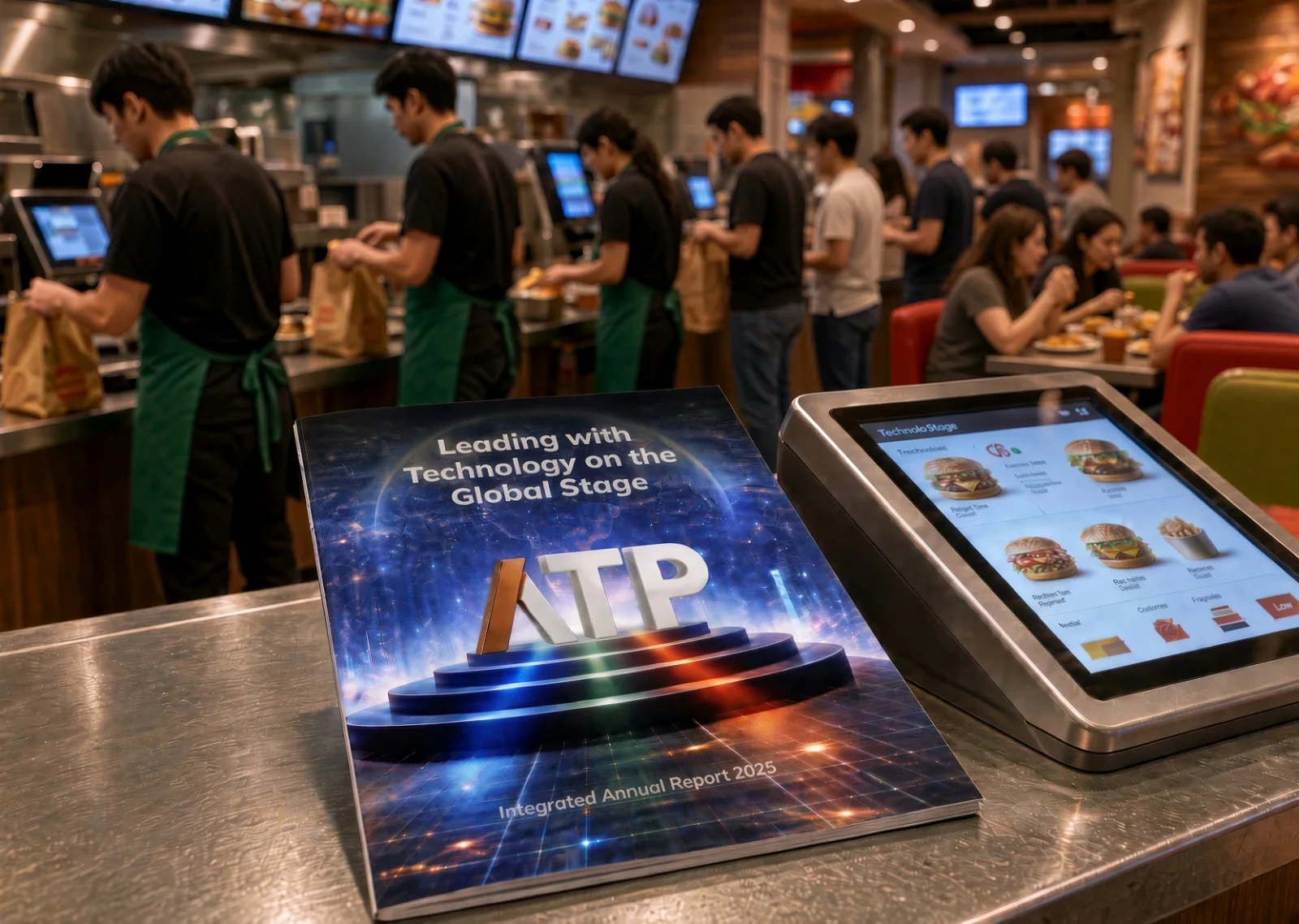
ATP
ATP’s first integrated annual report sets the stage for its global technology ambitions

QNB Sigorta
QNB Sigorta’s first integrated annual report brings everyday protection into focus
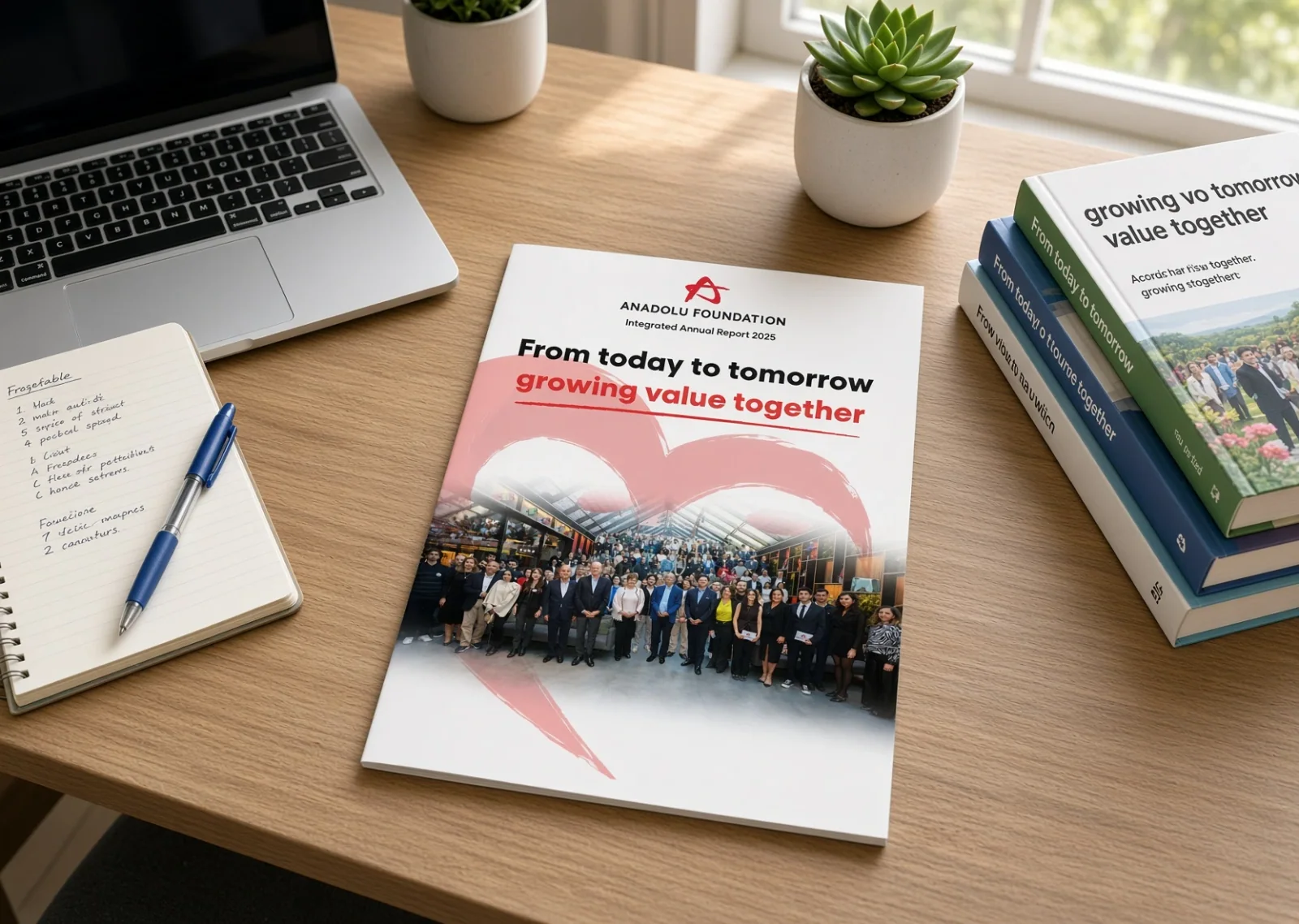
Anadolu Vakfı
The Anadolu Foundation’s first integrated annual report measures the social value of its investments

Turkish Airlines
The first integrated annual report for Türkiye’s most valuable brand
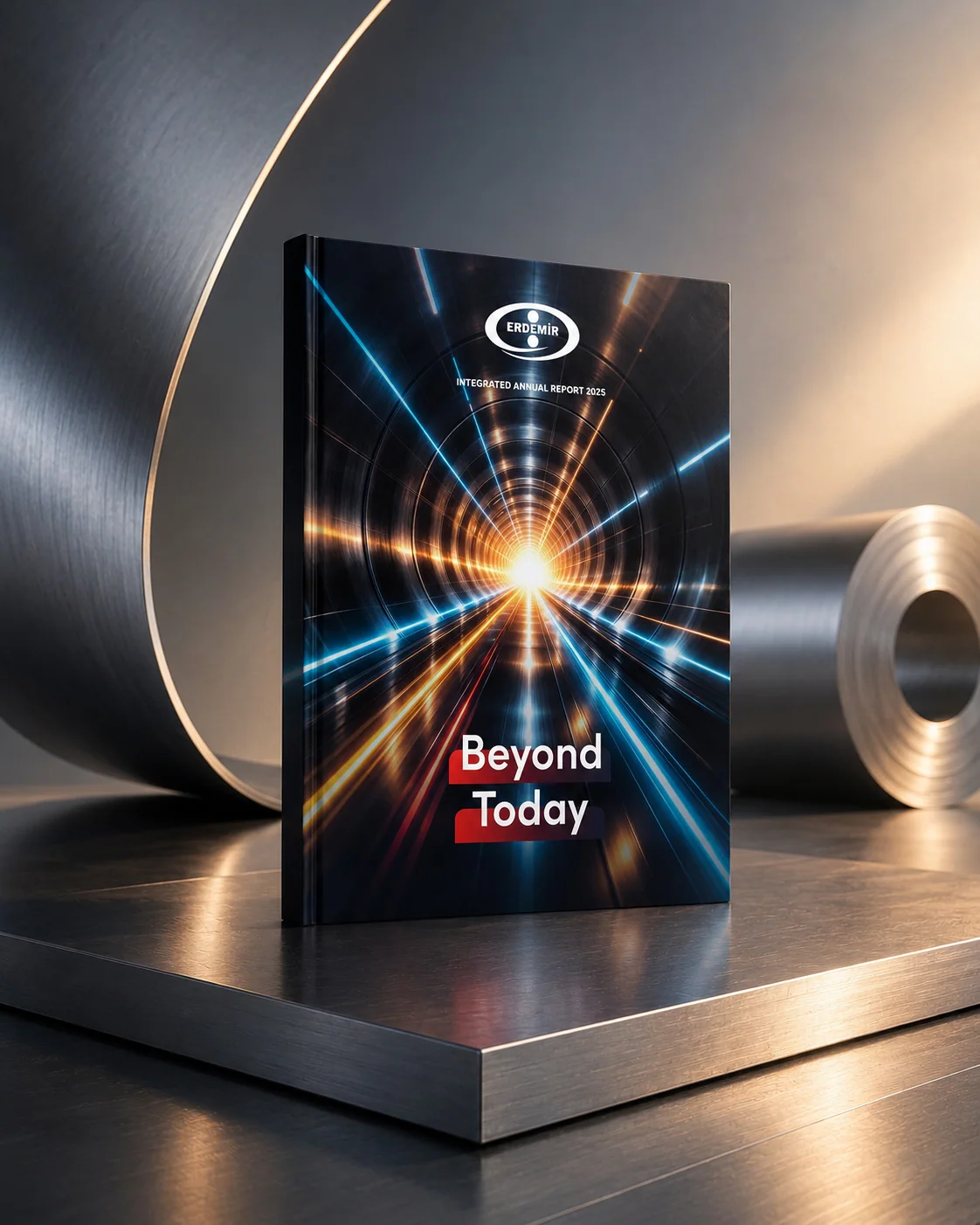
Erdemir
An integrated report for a longstanding Turkish steel producer with more than 60 years of history