
Sustainability Report / 2025
Klimasan
Klimasan’s sixth sustainability report, built on a long-term collaboration
Sustainability Reports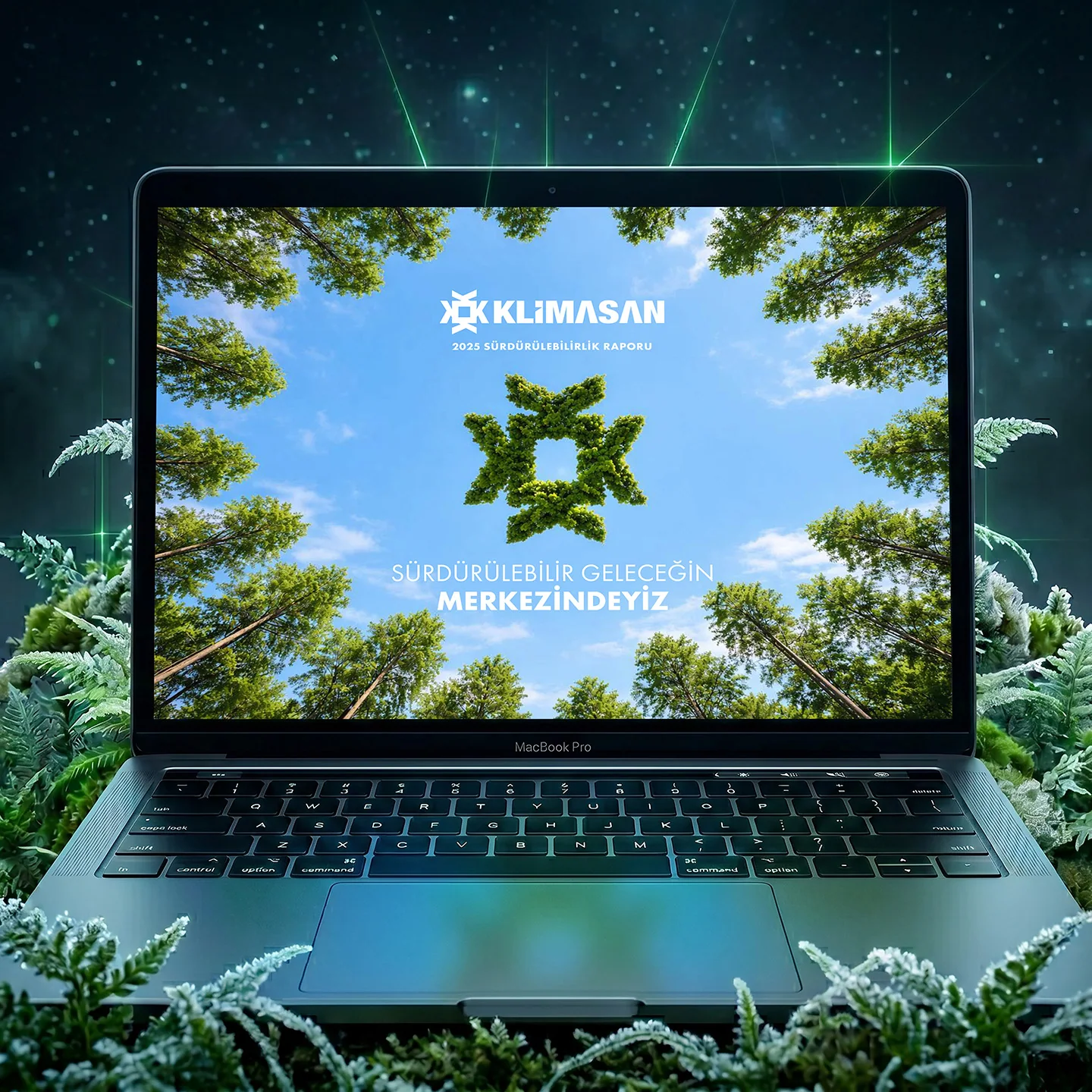
01
Challenge
By its sixth sustainability report, Klimasan had built a substantial body of data. The challenge was to make that information understandable and communicate it clearly to stakeholders. Klimasan’s GRI- and TSRS-referenced reports are prepared as two separate publications. With its scope limited to the main production facility in Manisa, the GRI report needed a clearly defined role. The data covered SBTi-approved climate targets, an ISO 14064-1-aligned greenhouse gas inventory, employee development, occupational health and safety practices, the local supply chain, and social responsibility projects supporting regional employment. These elements needed to form a clear narrative across a 27-topic sustainability agenda, with an explicit explanation of which issues were priorities and why.
02
Approach
As part of our long-term collaboration with Klimasan, we carried out prioritization using the double materiality principle. We retained the impact-materiality findings from the previous stakeholder assessment and determined financial materiality through a survey with senior management. The 27 topics were assessed across three priority levels in the matrix, with nine identified as very high priorities. We structured the report around Sustainable Business and Growth, Planet, and People. Climate performance was considered alongside Klimasan’s position in the European market. CBAM analysis brought together process- and product-level carbon tracking, the risk that products in lower energy-efficiency classes could lose market access, and the positioning of low-carbon products in premium segments. The People section addressed employee development, occupational health and safety, and regional development under separate headings. The appendices brought together the greenhouse gas inventory, I-REC certificate, ISO 14064 verification statement, and SBTi approval.
03
Outcome
The sixth report presents Klimasan’s climate strategy as a continuous chain from commitment to results. Its science-based targets were approved by SBTi; renewable-energy I-REC certificates covered all 8,645.08 MWh of electricity consumed in 2025; and the 2025 greenhouse gas inventory underwent third-party verification at a reasonable-assurance level. The same report recorded a 95% increase in employee training hours and allocation of 81% of the purchasing budget to local suppliers. The Z.E.K.İ.+ Project, run with Manisa Organized Industrial Zone, provides employment for people with intellectual disabilities. Sustainability targets are translated into annual performance indicators, assigned across departments, and linked to performance-management systems. The report grounds Klimasan’s climate and people performance in measurable data and supporting documents that stakeholders can follow.
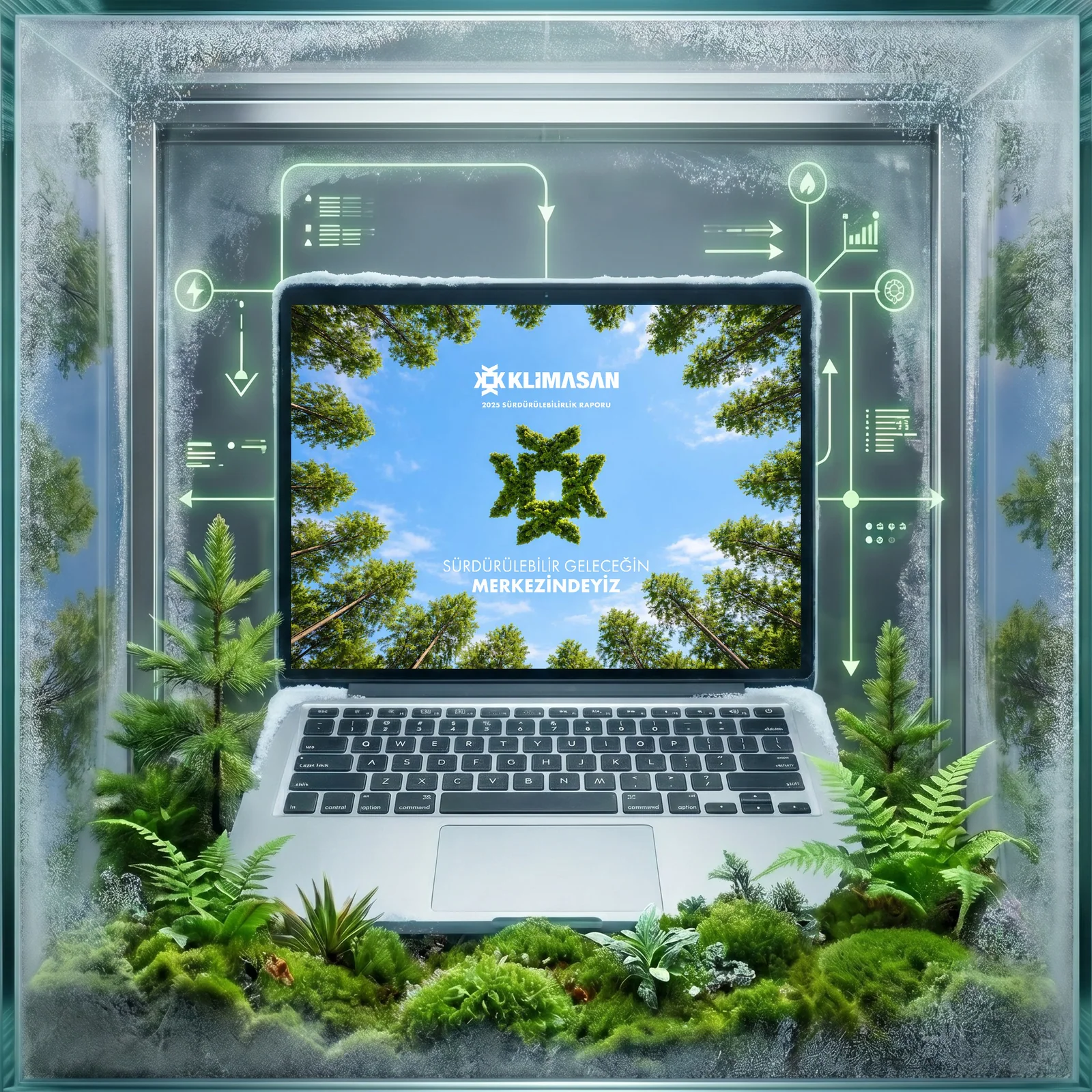
Explore the related service
Sustainability ReportMore projects
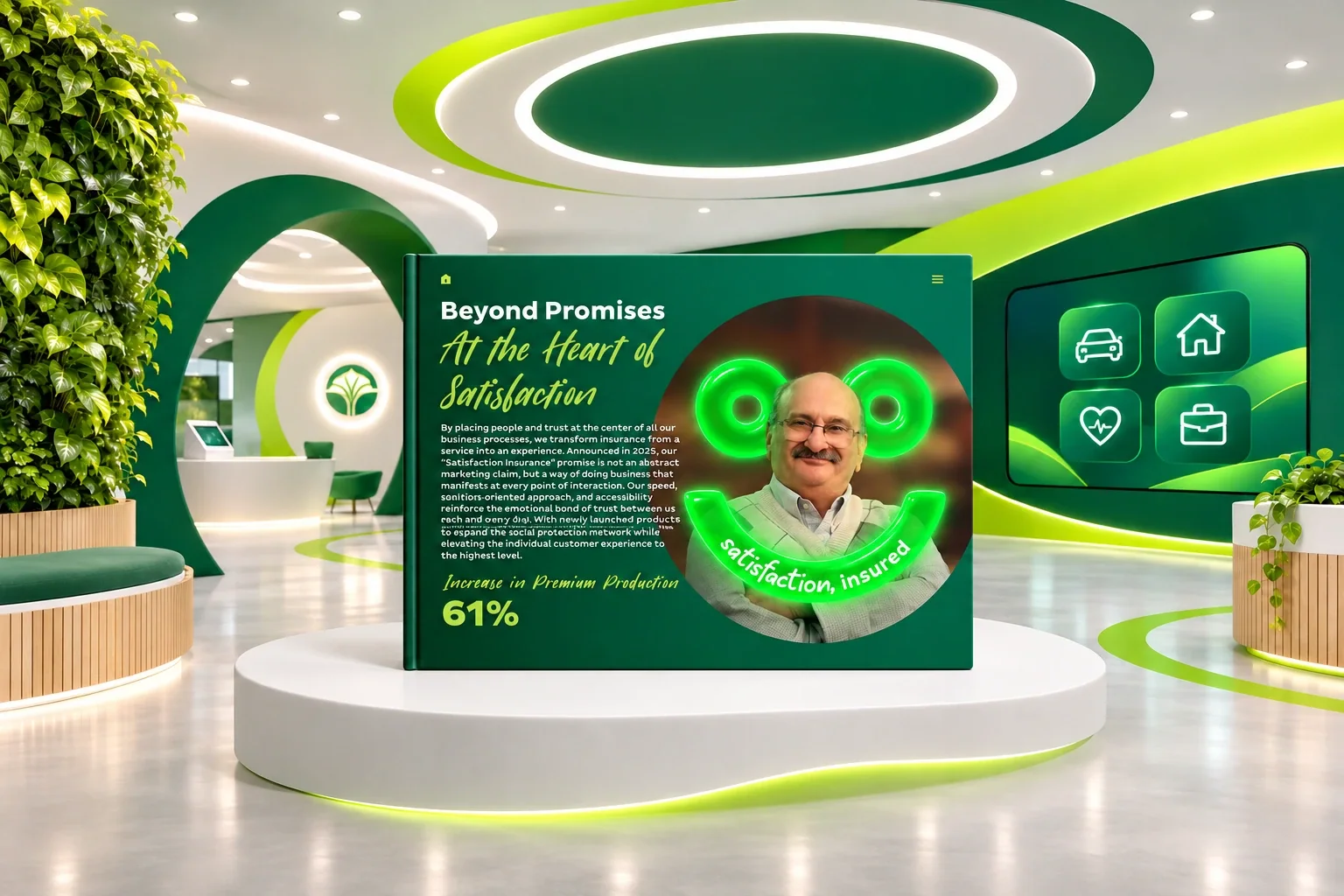
Neova Sigorta
The second sustainability report for Türkiye’s first participation insurer
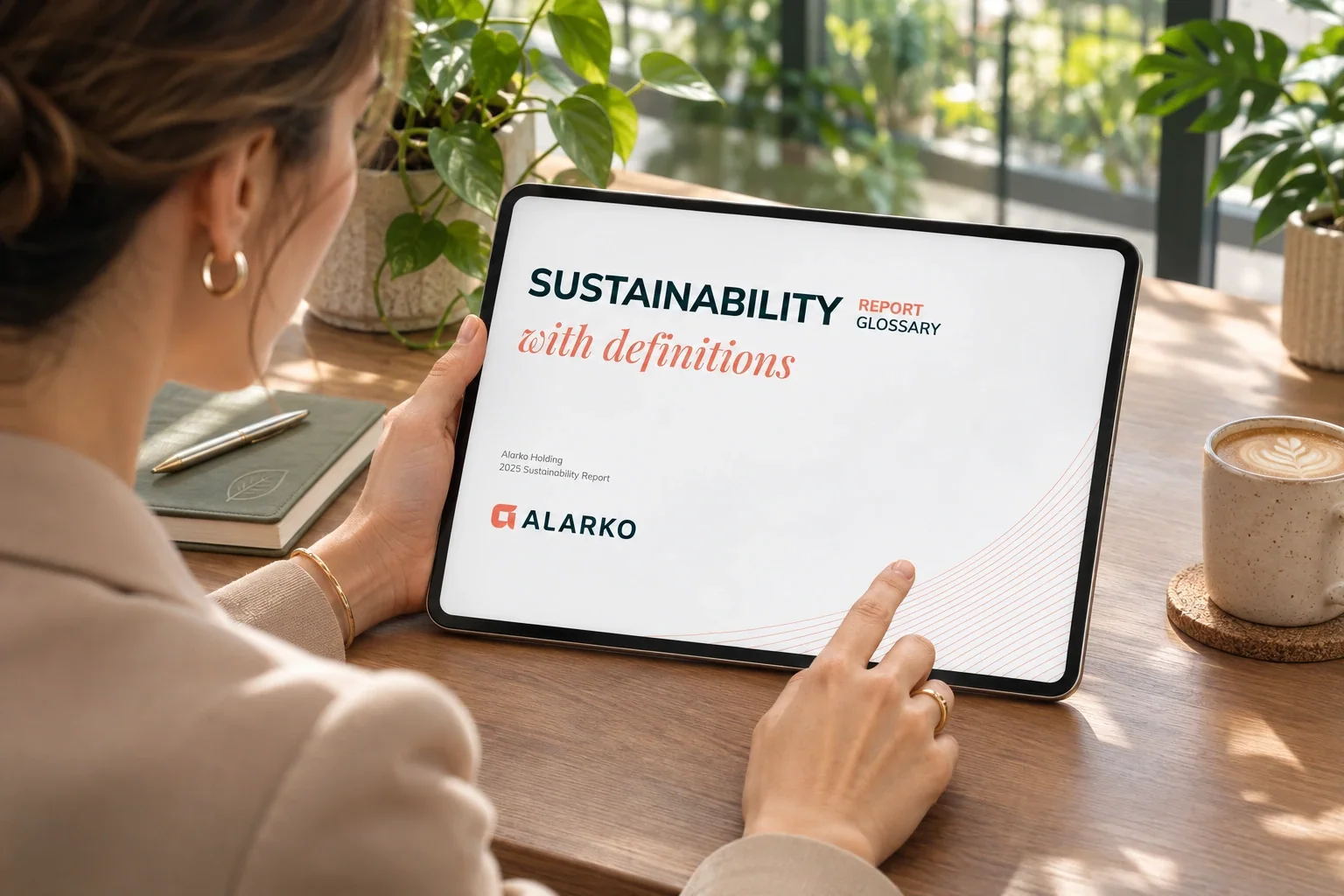
Alarko Holding
A low-carbon sustainability report for Alarko
Eren Enerji
International-standard sustainability reporting for Türkiye’s largest private electricity producer

Hepiyi Sigorta
The first sustainability report for Doğan Holding’s digital insurance business

Uğur Soğutma
Comprehensive reporting across multiple frameworks for an established appliance manufacturer
Korteks
Sustainability reporting for one of Europe’s largest integrated polyester yarn producers
Arkas Line
A sustainability report for Türkiye’s largest container fleet